

Navigating the world of vascular lesions can feel overwhelming, especially when considering treatment options. Whether you’re a patient seeking answers or a caregiver looking for the best path forward, understanding the steps involved can empower you. In this guide, we’ll break down the essential steps to help you make informed decisions about vascular lesion treatment, all while keeping it clear and approachable.
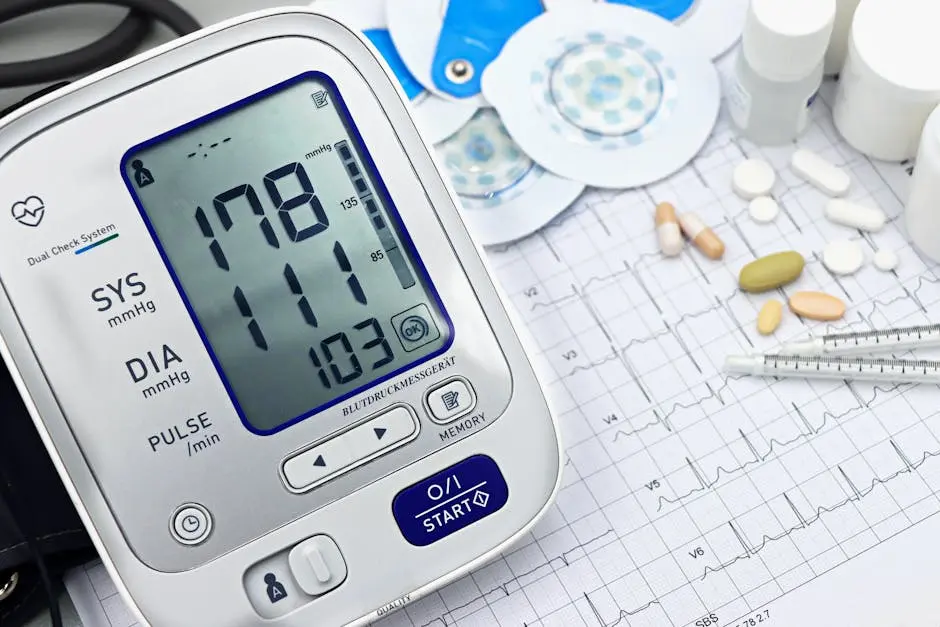
1. Recognizing the Symptoms
Identifying the signs of vascular lesions is the first step toward addressing your health concerns. These might include unusual swelling, discoloration, or pain. Understanding what to look for can prompt timely action.
In addition to the obvious symptoms, you should also be aware of subtle changes in your body. For instance, feelings of heaviness or fatigue in the affected area could be early indicators. Keep a close eye on these symptoms, as they may warrant a conversation with your healthcare provider.
While symptoms can vary widely from person to person, paying attention to your body and any changes you experience is essential. Early recognition can lead to earlier intervention, which often results in more effective treatment options. Remember, the sooner you seek help, the better your chances of successful management.
2. Consulting with a Healthcare Professional
Scheduling an appointment with a specialist is crucial. A healthcare professional can provide a thorough evaluation and help steer you toward the right diagnostic tests.
During your appointment, be prepared to discuss your symptoms in detail, along with any relevant medical history. This information will help your doctor create a personalized assessment and explore the most applicable treatment options. Remember, open communication is vital in these consultations.
Don’t hesitate to ask questions during your meeting. Whether it’s about the tests being recommended or potential treatment pathways, clarity is essential. Effective communication with your healthcare provider ensures you leave the appointment informed and empowered.
3. Getting a Definitive Diagnosis
Once you meet with your doctor, they may recommend specific imaging tests. This step ensures you have a clear understanding of the type and severity of the vascular lesion.
Undergoing diagnostic tests can feel daunting, but they play a critical role in developing your treatment plan. Common tests such as ultrasound or MRI can provide important insights into your vascular health. Understanding the procedure can help ease any anxieties you may have.
Your healthcare provider will explain the results to you and discuss what they mean for your journey ahead. Remember, receiving a diagnosis is just a step; it prepares you for informed decision-making about your treatment options.
4. Exploring Treatment Options
After diagnosis, it’s time to discuss various treatment avenues. This can include options such as medications, lifestyle changes, or even surgical interventions. Understanding each option is key to making an informed choice.
It’s important to feel comfortable discussing these options extensively. Each treatment plan should be tailored to your unique needs, taking into account both your medical condition and your personal preferences. Be sure to evaluate how each option fits into your lifestyle.
Additionally, don’t shy away from discussing alternative or complementary therapies. Some individuals find benefits in holistic approaches or integrative treatment methods. Every consideration you make provides a clearer picture of what might work best for you.
5. Understanding Risks and Benefits
Every treatment comes with its own risks and benefits. It’s essential to weigh these carefully in consultation with your doctor to ensure you choose the best option for your individual needs.
As you examine potential treatments, take the time to discuss not only the effectiveness but also the possible side effects. Understanding what to expect can help you mentally and physically prepare for your decision.
A thorough assessment of risks versus benefits can often illuminate the safest and most effective route for your treatment. Engaging in a candid dialogue with your healthcare provider ensures that you’re not only making a choice based on facts but also on what aligns with your overall goals.
6. Considering a Second Opinion
Don’t hesitate to seek a second opinion. This can provide additional perspectives and may help confirm your treatment plan or reveal new options that better suit your health goals.
Getting a second opinion is a common and wise choice. Many patients feel empowered knowing they’ve explored all available avenues before making a commitment. A fresh set of eyes on your case can sometimes provide clarity and options you hadn’t considered before.
When approaching another healthcare professional, bring along your medical records and any relevant test results. This information will facilitate a productive conversation. Remember, seeking a second opinion isn’t about doubting your initial doctor; it’s about ensuring you have all the information needed for the best outcomes.
7. Planning Your Treatment Journey
Once you’ve chosen a treatment plan, it’s important to establish a schedule. Planning for appointments, follow-ups, and any necessary lifestyle adjustments can help set you up for success.
Consider creating a calendar to track appointments, medications, and lifestyle changes you intend to incorporate. This organizational effort not only helps you stay on top of your treatment but also reduces the stress of potentially missing important dates.
Additionally, don’t forget to include time for self-care in your routine. Treatment can be demanding, both physically and emotionally, so allowing yourself the space to recharge is crucial for your overall well-being.
8. Following Up and Adjusting Care
Regular follow-up appointments are vital to monitor your progress. Be open to adjusting your care as needed, as your doctor’s guidance will be crucial in navigating your treatment effectively.
After initiation of treatment, it’s not uncommon for plans to evolve. Your healthcare provider may suggest adjustments based on how well you are responding to treatment or any new symptoms that arise.
Maintaining a good line of communication with your provider is essential. Keep them informed of any changes in your symptoms or side effects you may experience. Your transparency will help ensure you receive the most appropriate care tailored to your situation.
When considering vascular lesion treatment, understanding the available options and finding a reputable clinic is crucial. At Recover Restore Revive, our experienced team specializes in regenerative medicine Benton AR, providing patients with cutting-edge solutions tailored to their needs. Conveniently located at 110 E South Street, Benton, AR 72015, we invite you to call us at (501) 430-4968 or visit our website at recover-restore-revive.com to learn more about how we can assist you on your journey to enhanced wellness.


