

Hair restoration is a rapidly growing field that combines art and science. Many individuals facing hair loss seek answers, treatments, and solutions. In this blog, we will explore the fascinating science behind hair restoration, shedding light on various methods and processes that help restore not just hair, but confidence as well.
The Basics of Hair Growth and Loss
To comprehend hair restoration, we must first understand how hair grows and what leads to its loss. Hair growth occurs in cycles, and understanding these phases—anagen, catagen, and telogen—can help clarify how hair restoration works.
The anagen phase is the active growth stage, where hair follicles produce hair continuously. This stage can last for years, giving people long, flowing locks. On the other hand, the catagen phase is a transitional period lasting a few weeks. During this time, hair follicles shrink and prepare for the next stage, leading to some hair shedding. Lastly, we have the telogen phase, where hair rests before it falls out. Recognizing these cycles is paramount for anyone considering hair restoration.
Hair restoration interventions are designed to capitalize on these natural cycles. For instance, stimulating the anagen phase can lead to increased hair growth, making it crucial to find effective methods that influence this stage positively.
Common Causes of Hair Loss
Various factors contribute to hair loss, including genetics, hormonal changes, stress, and nutritional deficiencies. By identifying the underlying causes, individuals can choose effective hair restoration methods.
Genetics is perhaps the most significant contributor to hair loss, especially in conditions like androgenetic alopecia. This hereditary condition affects both men and women, leading to progressive thinning of hair. It’s essential to understand that this is not solely a male issue; women can experience similar patterns of thinning, leading to frustration and a sense of loss.
Hormonal changes, especially during periods like pregnancy or menopause, can also trigger hair loss in many individuals. Similarly, extreme stress—whether due to life events or chronic conditions—can lead to a type of temporary hair loss known as telogen effluvium. Addressing these triggers can tremendously benefit those seeking hair restoration, providing hope and a clearer path forward.
Nutritional deficiencies are equally critical. A diet lacking in essential vitamins such as biotin or minerals like zinc can result in weaker hair and accelerated loss. Therefore, understanding how diet influences hair health cannot be overlooked in any hair restoration journey.
Exploring Non-Surgical Hair Restoration Techniques
Non-surgical approaches such as topical treatments, lasers, and PRP therapy offer options that can stimulate hair growth and improve thickness without invasive procedures.
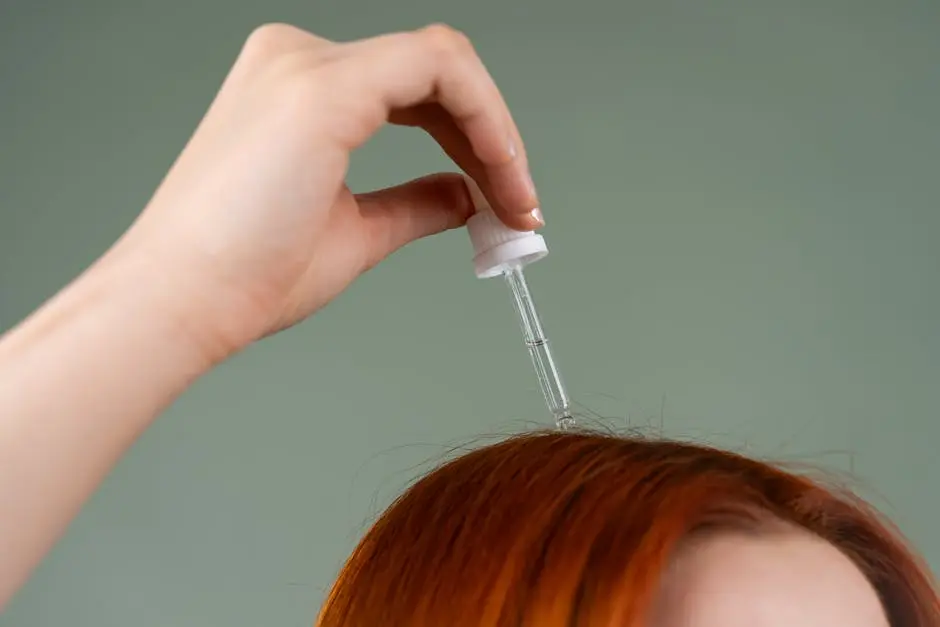
Topical treatments, particularly those containing minoxidil, have garnered attention for their ability to promote hair regrowth. By applying these solutions directly to the scalp, individuals can encourage blood flow to hair follicles, leading to improved growth over time. It’s essential, however, to remain patient; results can take several months to manifest.
Lasers have also made waves in the sphere of hair restoration. Low-level laser therapy (LLLT) effectively stimulates damaged hair follicles and can improve density in those experiencing thinning. This painless procedure involves wearing a cap fitted with laser diodes for several sessions, making it a convenient option for many.
Another emerging technique is Platelet-Rich Plasma (PRP) therapy. This innovative approach uses the body’s own growth factors to rejuvenate hair follicles. Medical professionals extract a small amount of blood from the patient, process it to enhance platelet concentration, and then inject it into the scalp. Many individuals have reported positive outcomes, finding it a preferred option for restoring their hair.
Surgical Options for Hair Restoration
For those seeking more permanent solutions, hair transplantation methods like FUE (Follicular Unit Extraction) and FUT (Follicular Unit Transplantation) can provide natural-looking results. Understanding the surgical process helps demystify this popular option.
FUE is a minimally invasive technique where individual hair follicles are extracted from a donor area, typically the back of the head, and implanted into areas experiencing thinning or balding. This method is favored for its ability to leave minimal scarring and allows for a quicker recovery time. Most importantly, it preserves the natural direction and angle of hair growth, resulting in an aesthetically pleasing outcome.
In contrast, FUT involves removing a strip of scalp to harvest hair follicles in bulk. While this method may leave a linear scar, it often allows for the transplantation of a greater number of grafts in a single session, which can be beneficial for individuals requiring extensive coverage.
The Role of Nutrition in Hair Health
Nutrition plays a crucial role in maintaining healthy hair. Key vitamins and minerals that support hair growth and strength can be integrated into your diet, making a significant difference in the restoration process.
A balanced diet rich in greens, proteins, and healthy fats can significantly impact your hair’s health. Protein, for example, serves as the building block for hair, making it vital to include adequate amounts from sources like meat, fish, beans, and nuts. Likewise, iron and zinc are critical for hair nourishment, promoting stronger strands and preventing breakage.
Additionally, omega-3 fatty acids, found in fish or flaxseed oil, can nourish hair follicles and contribute to scalp health. Taking an intentional approach to your eating habits can serve as a foundation upon which successful hair restoration rests.
The Psychological Impact of Hair Restoration
Hair loss can affect self-esteem and mental well-being. Exploring the psychological benefits of hair restoration highlights not just aesthetic improvements but emotional and social impacts as well.
For many, hair is not just a physical characteristic but a part of their identity, influencing how they perceive themselves and how others perceive them. The emotional burden of hair loss can manifest in low self-esteem, anxiety, and even depression. It’s paramount for individuals dealing with hair loss to recognize that they are not alone; feelings of insecurity surrounding this issue are widely shared.
On the brighter side, the prospect of hair restoration brings a renewed sense of hope. Many individuals report substantial boosts in confidence following treatment, positively influencing their social interactions and overall outlook on life. As such, hair restoration is not just about aesthetics but a transformative journey that affects one’s mental landscape.
Embracing the Future of Hair Restoration
Understanding the science behind hair restoration allows individuals to make informed decisions about their treatment options. With various advancements in technology and a better understanding of hair biology, there’s hope for those experiencing hair loss. Embracing these insights can pave the way for healthier hair and renewed self-esteem.
At Recover Restore Revive, located at 110 E South Street, Benton, AR 72015, we specialize in regenerative medicine, offering cutting-edge solutions for hair restoration. Our regenerative medicine Benton AR expertise allows us to provide personalized treatments that harness the body’s natural healing processes, effectively addressing hair loss concerns. For more information, please visit our website at recover-restore-revive.com or call us at (501) 430-4968.


